Common Mistakes When Frying Fish at Home (and How to Fix Them)
Anybody can fry fish at home. Getting a golden shell that stays put around a moist, flaky fillet takes a few small decisions, and most of them happen before the fish ever meets the oil. Cold oil. A soaking-wet fillet. A batter thick enough to fill a crack in the wall.
The encouraging part is that none of these problems is hard to fix. They come from habits, not from skill. Here are the mistakes that trip up home cooks most often, and what to do instead.
Wet Fish, Cold Fish, and Why the Coating Slips Off
Water is the enemy of a crisp crust. Any moisture on the surface of the fillet turns to steam the moment it hits hot oil, and that steam does two damaging things: it drops the oil temperature, and it pushes the batter away from the fish. That pale, sliding shell you sometimes end up with? Water did that.
Dry the fillet properly, not with a quick wave of a towel. Use kitchen paper and press it against both sides, then check any folds and the belly cavity. Skin-on fillets are fine, and arguably better, but the skin needs drying too. If the fillet came out of the freezer, thaw it in the fridge overnight and dry it after that, because frozen fish releases a startling amount of liquid as it defrosts.
Temperature matters as well. A fillet straight from the fridge can knock several degrees off your oil in one go. Take it out about ten minutes before frying so it loses the worst of the chill, but no longer than that.
Oil Temperature Is Most of the Job
If you take one thing from this page, take this: buy a thermometer. Judging frying oil by eye works right up until it doesn't, and the two failure modes look identical from the wrong angle.
- Too cold — the batter soaks up oil before it sets. The result is greasy, pale and heavy, and the fish inside steams rather than fries.
- Too hot — the crust darkens before the middle cooks. You get a bitter shell and a cool, raw centre.
- Drifting — the oil starts right and then collapses when the fish goes in. Unless you let it climb back between batches, batch two is always worse than batch one.
A few target numbers worth remembering. Standard fillets, roughly two centimetres thick, want about 180°C (350°F). Thin fillets and scampi-sized pieces are happier nearer 190°C (375°F), because they cook through in a minute or two. Very thick chunks are better started a touch lower, around 170–175°C (340–350°F), so the heat has time to reach the middle before the crust takes on too much colour.
No thermometer yet? Drop in a cube of bread. At a good frying temperature it should turn golden in about a minute. If it darkens in thirty seconds, back the heat off.
Batter Mistakes: Too Thick, Too Warm, Beaten to Death
Three batter faults account for almost every soggy result.
It's too thick
Batter should run off the back of a spoon in a slow ribbon, closer to double cream than to cake mix. Thick batter makes a doughy jacket that traps steam, and trapped steam is exactly what you're trying to avoid. Add liquid a splash at a time until it loosens up. A little more water is nearly always the right instinct.
It's been overmixed
Every stroke of the whisk develops gluten, and gluten turns a light crust chewy. Stop while the batter is still lumpy. Small flour pockets will disappear in the hot oil anyway.
It's warm, or it's been sitting around
Cold liquid makes a crisper crust, which is why so many recipes call for beer, sparkling water or fizzy water straight from the fridge. Mix the batter when the oil is nearly ready rather than half an hour early, and use a dusting of plain flour or cornflour on the dry fish so the batter has something to grip. Cornflour in the mix, about a tablespoon per hundred grams of flour, keeps the shell crunchy for longer once it's out of the pan.
Crowding, Flipping and Fussing
Home pans are small and home appetites are not, so the temptation is to load everything in at once. Don't. Two or three fillets at a time in a standard pan, with clear space between them, keeps the oil temperature stable and stops the pieces welding together into one enormous fish parcel.
Once the fish is in, leave it alone. One turn is enough, made when the edges of the batter have set and you can see colour creeping up the sides. Poking, prodding and flipping repeatedly cracks the crust and lets oil inside.
Draining and Serving: The Last Ten Seconds Matter
Paper towels are convenient and they are the wrong tool. They trap steam underneath the fish and soften the crust you just worked for. Set a wire rack over a baking tray instead and let the oil fall away into the tray. Salt the fillets as soon as they come out, which seasons the crust and helps it stay crisp.
Never stack hot fried fish, and never cover the plate, even with a clean cloth. If you're cooking for several people, hold finished fillets uncovered on a rack in a low oven, around 90–100°C (200°F), and serve the moment the last batch is done. Fish that has been cooked properly flakes under a fork and is piping hot all the way through; if you want a number, a probe thermometer reading 60°C (140°F) or above in the thickest part is a good sign.
Oil and Equipment Choices That Quietly Undo Good Work
Use a neutral oil with a high smoke point: sunflower, rapeseed, groundnut or plain vegetable oil all do the job. Olive oil is lovely for many things and the wrong choice for deep frying, because its flavour and its smoke point both work against you here.
Pick a deep, heavy pot and leave plenty of headroom, at least a third of the pan empty. Oil should be five to eight centimetres deep so the fish can float rather than sit. Between batches, skim out stray bits of batter and flour with a slotted spoon; burnt debris turns the next batch bitter and shortens the life of the oil. Strain used oil once it has cooled completely, store it in a dark bottle, and throw it out when it darkens, smells stale or foams quickly when heated. Keep a lid or a baking tray within reach while frying, and never add water to hot oil.
A Routine to Fall Back On
- Dry the fish thoroughly, inside and out, and take the chill off it for ten minutes.
- Heat five to eight centimetres of neutral oil to 180°C (350°F) in a deep, heavy pan.
- Whisk 100g plain flour with a tablespoon of cornflour and a pinch of salt, then add cold beer or sparkling water gradually until the batter coats a spoon and runs off in a ribbon. Leave it lumpy.
- Dust the fish with flour, dip it in the batter, and let the excess drip back into the bowl for a second or two.
- Lower two or three fillets into the oil, away from you, and fry for four to six minutes, turning once.
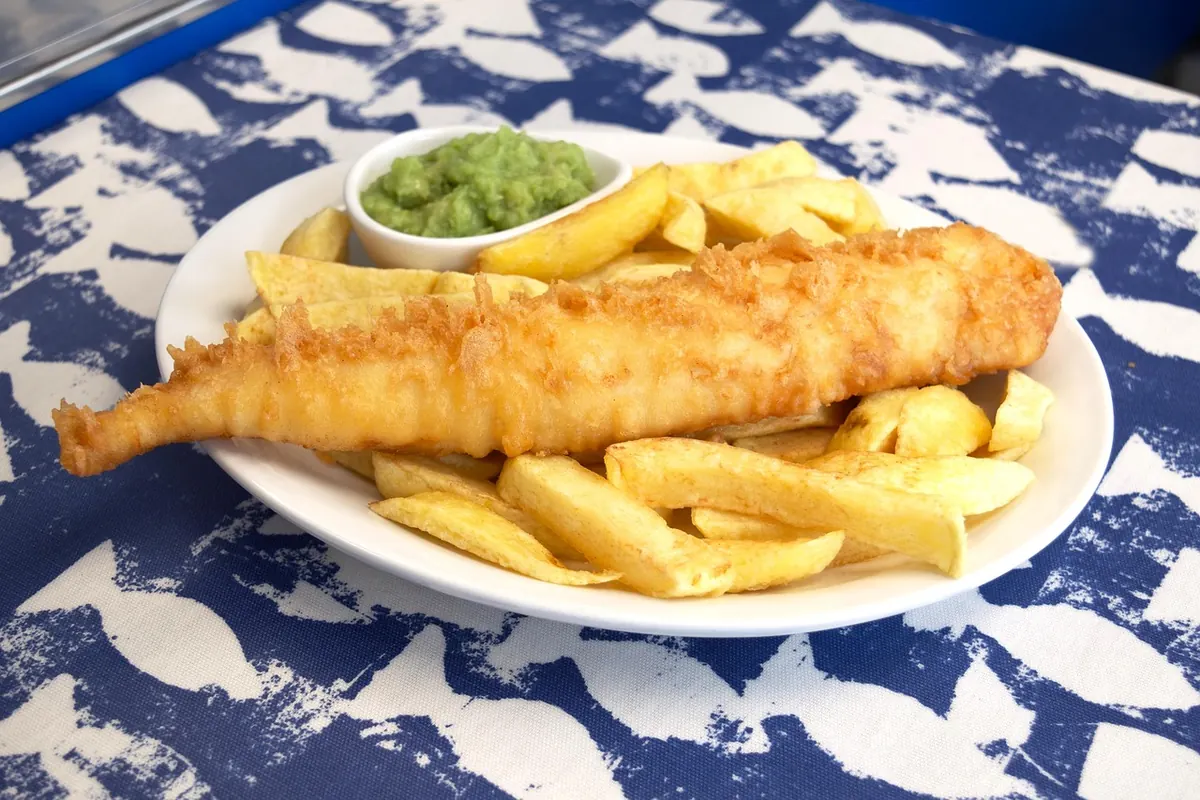
- Lift them onto a rack, salt immediately, and serve with chips and plenty of vinegar.
Get those six steps in the right order and the rest is practice. The mistakes above are worth knowing because they explain the disappointing results, but the fix is always the same: dry fish, hot oil, thin batter, space in the pan.
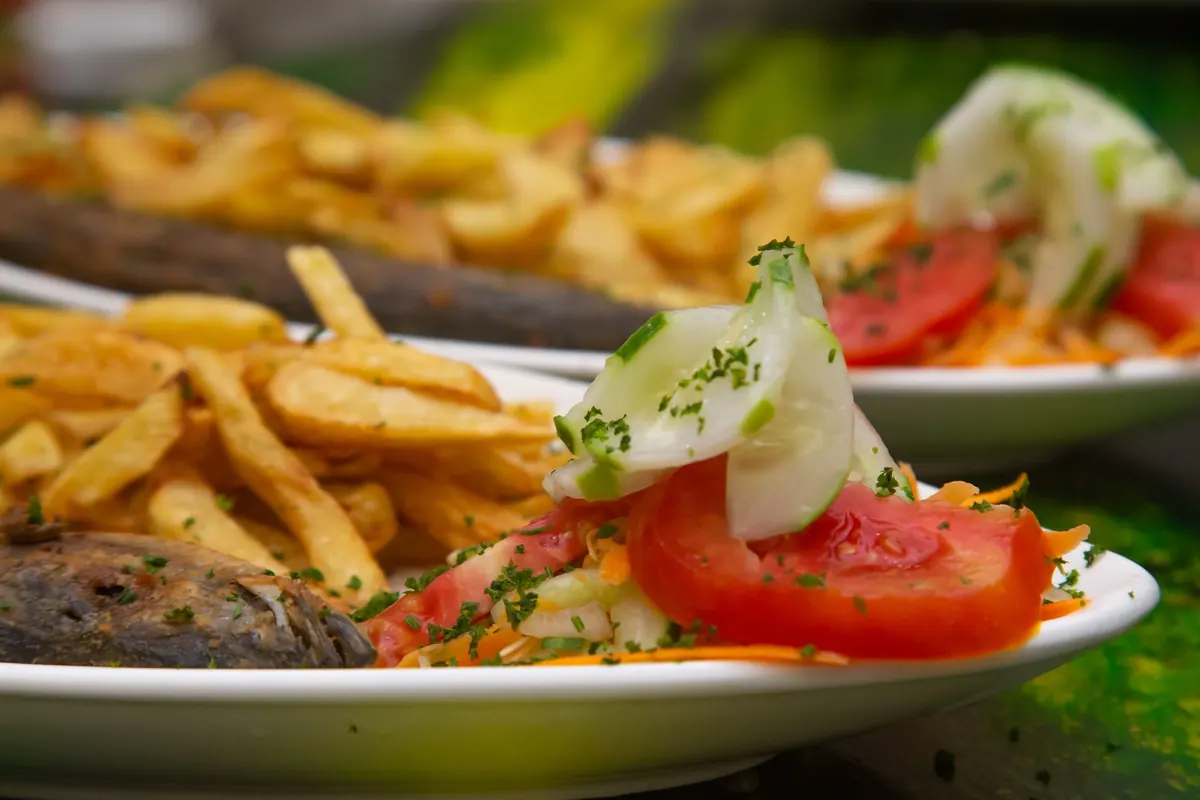
Photo: Ri_Ya / Pixabay