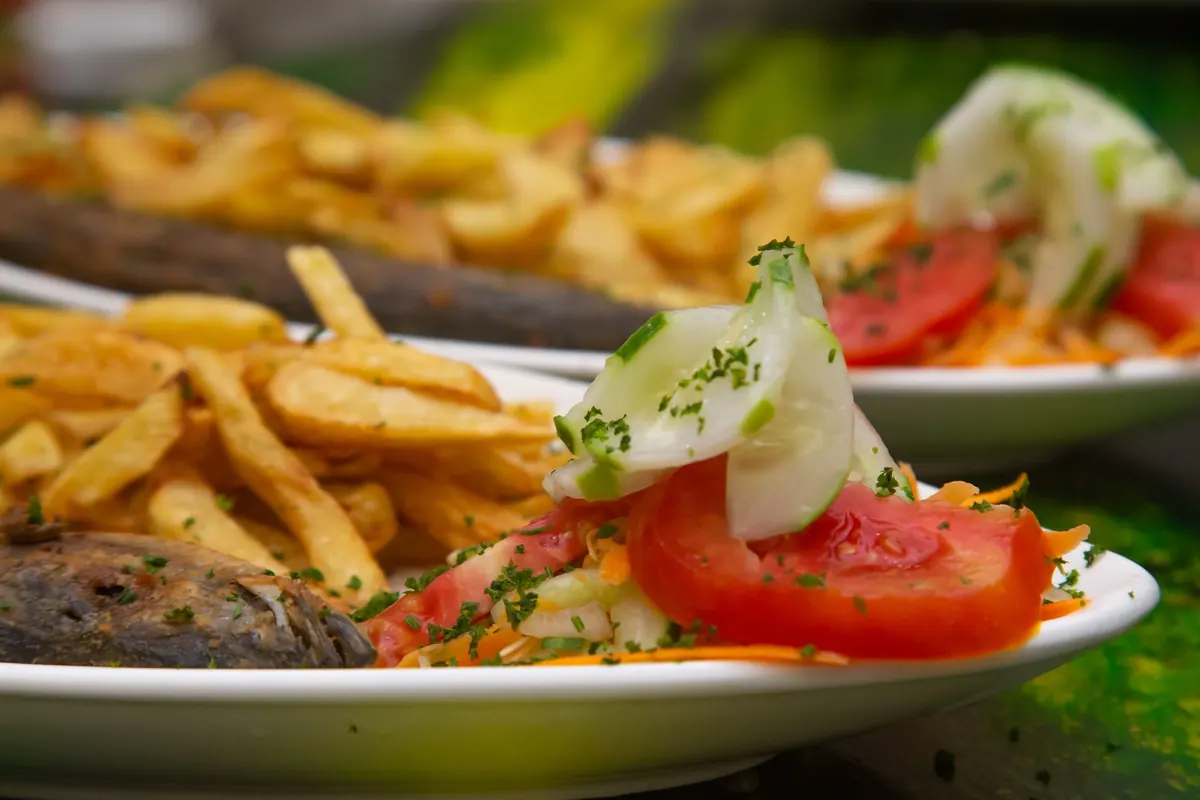
Homemade Chips vs. Chippy Chips: A Comparison of Texture, Cost, and Time
Few kitchen debates get as heated as this one. On one side, a paper-wrapped portion from the shop at the end of the road, hot enough to burn your fingers through the bag. On the other, a tray of chips you cut yourself, cooked in the oven or air fryer while you get on with something else. Both are chips. They are not the same chip, and pretending otherwise leads to disappointment — usually at the moment you bite into a homemade chip that tastes more like a crisp than a chip.
So here's an honest side-by-side: what each one actually is, how the textures differ, what the real time and cost look like, and how to push homemade chips closer to the shop version without buying a commercial fryer.
What You're Actually Comparing
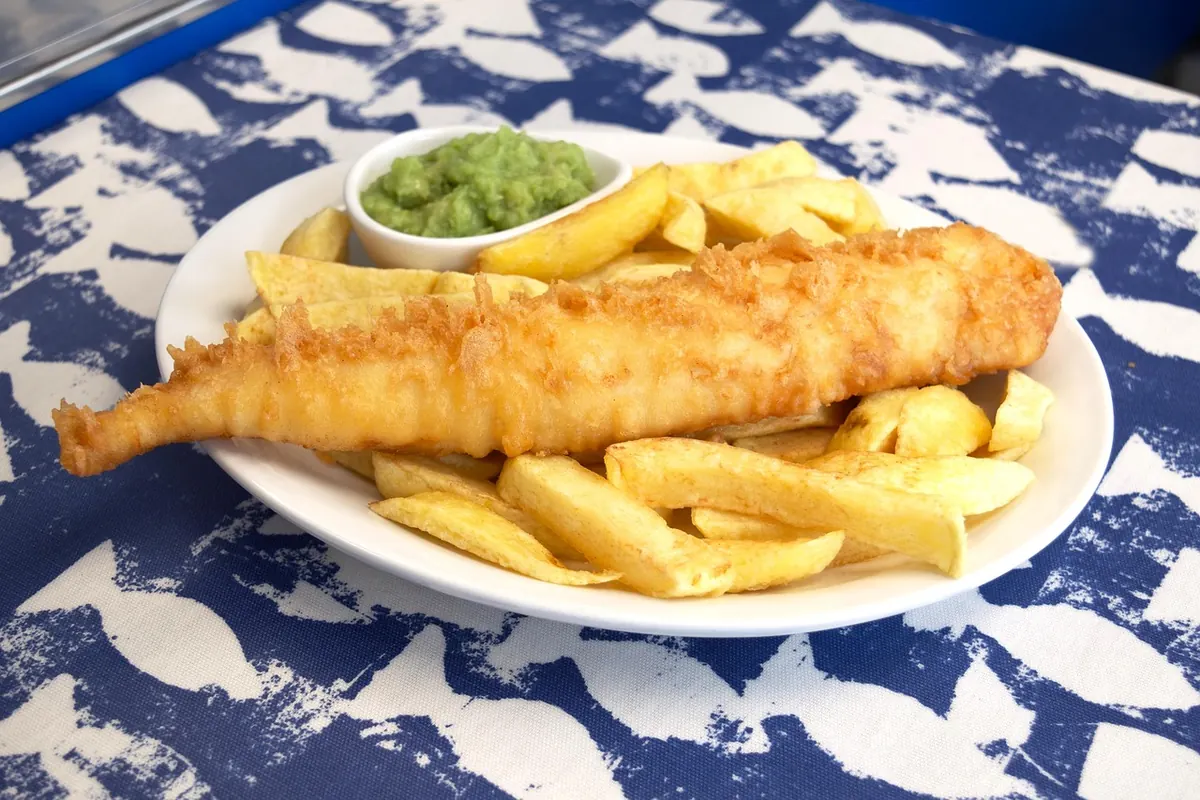
Chippy chips start as floury potatoes — Maris Piper, King Edward, Rooster — peeled, cut into thick fingers, and cooked from raw in hot fat. Most shops cook them twice: a slower, lower-temperature first pass to cook the middle, a rest, then a hotter pass to crisp and colour the outside. Some still use beef dripping, which is where that deep, savoury note comes from. After cooking, they sit in a heated cabinet, which is why they arrive soft-ish, steaming, and ready to soak up salt and vinegar.
Homemade chips are a different process entirely. You cut potatoes, toss them in oil, and bake them in dry heat or blast them with circulating air. No fat bath, no holding cabinet, usually only one cooking stage. That single difference explains most of what follows.
Texture: Where the Gap Opens Up
A proper chippy chip has a fluffy, slightly grainy interior and a thin, fragile crust. The steam inside the potato does the work: as the middle cooks, moisture pushes outward, keeping the surface from drying out too fast. The second, hotter cook then drives off that surface moisture in seconds, giving you crispness without a thick shell.
Oven chips struggle here. A domestic oven is dry and comparatively gentle. The outside sets and dries before the middle is properly cooked, which is how you end up with a leathery exterior and a chalky centre. Air fryers do better — moving air strips moisture off the surface quickly, so you get a crisper, thinner shell in less time. The trade-off is that a thin-cut chip can dry right through, leaving something closer to a roast potato stick.
There's also the flop factor. Chippy chips are meant to be a little floppy, and that softness is what lets vinegar soak in rather than roll off. Homemade chips are firmer and drier. If you like a chip that snaps, that's a win. If you want the chip you ate on the walk home, it isn't.
Time: Clock Time Versus Your Time
The chippy wins on effort, not speed. A portion takes a few minutes at the counter, and none of those minutes are yours.
Homemade chips take longer than most people expect, because the work isn't only the cooking. From cupboard to plate, oven chips typically run about 45 minutes: peeling and cutting, a short parboil, draining and drying, then 25 to 35 minutes in the oven. Air-fryer chips cut that to roughly 25 minutes, most of it unattended.
Your actual hands-on time is closer to 10 or 15 minutes either way, plus washing up. The trick is to split the job. Parboil and dry the chips in the morning, keep them covered in the fridge, and dinner becomes a 20-minute bake. Chips reward planning far more than they reward rushing.
Cost: Where Homemade Pulls Ahead
Per portion, potatoes are cheap. Even a generous serving costs a fraction of what a shop charges, and the gap widens when you're feeding three or four people. You're paying the chippy for labour, oil, rent, and the fact that someone else deals with the fryer.
Homemade isn't free, though. Add the energy for a hot oven running half an hour, a decent glug of oil, and — if you deep-fry — the cost of a pan of oil you'll eventually replace. An air fryer draws less than a full oven for the same job, but the appliance itself is an upfront cost. Work out cost per portion over a year rather than comparing sticker prices, and use your own energy tariff and local shop prices rather than anyone else's figures.
Where Each One Wins
- Chippy chips: texture, flavour from proper frying fat, zero effort, and a portion size you'd never assemble at home.
- Homemade oven chips: cost and control over salt and oil, with enough volume to feed a family.
- Air-fryer chips: speed, crisper results than an oven, less oil, and no vat of hot fat to deal with.
- The chippy, again: the ritual. Eating them out of the paper is part of the meal.
How to Get Closer to Chippy Results at Home
The gap narrows with technique. None of this is complicated, but each step matters:
- Start with a floury potato. Maris Piper, King Edward or Rooster. Waxy salad potatoes turn gluey.
- Cut them thick. Around 1.5cm. Thin chips dry out before the middle cooks.
- Parboil for 6 to 8 minutes, until the edges soften but the centres still hold. A splash of vinegar in the water helps them keep their shape.
- Drain and steam dry for five minutes, then rough them up in the pan. That scuffed surface is what crisps.
- Cool them completely. Twenty minutes in the fridge, or overnight, makes a real difference.
- Cook twice if you can. A slower first pass, then a hotter finish. In an oven, use a preheated tray, a little oil, and space between the chips so they roast rather than steam.
- Salt the moment they come out and add vinegar at the table, not in the pan.
If you want the flavour of the shop, a spoonful of beef dripping in the oil gets you most of the way. It's rich, so a little goes a long way.
Which One Should You Make Tonight?
Use the chippy for the nights when chips are the point — Friday, the walk home, salt on your sleeve. Make your own when chips are part of a bigger plate, when you're feeding several people, or when you want to know exactly what's on them. Oven and air-fryer chips will never be identical to the shop version, and chasing an exact match is a fine way to ruin a decent dinner. Get them properly crisp, salt them well, and eat them hot. That's most of the job.
Photo: Audy of Course / Pexels