Fish and Chip Shop Ordering Checklist: What to Ask Before You Buy
The queue is part of the ritual. You shuffle forward, the smell of hot fat and vinegar does its work, and suddenly you're at the counter with ten seconds to decide. Most people point at the menu and hope. A better approach is to ask a few quiet, specific questions. The answers tell you whether you're getting a rushed box of soggy chips or a proper Friday-night feed. Here's what to ask before you buy.
Ask About the Oil Before Anything Else
Oil shapes flavour, crispness, and how heavy you feel afterwards. Ask what they fry in. Some shops use beef dripping for a rich, savoury depth. Others use vegetable or rapeseed oil, which is lighter and suits more diets. Neither is automatically better; it's about what you like.
Then ask how often the oil is changed and whether it's filtered daily. Fresh oil tastes clean. Old oil tastes tired and can make batter greasy. A simple “How often do you change the oil?” is enough. If the answer is vague, look at the chips. Pale and limp? Walk on.
If you have an allergy, ask about cross-contamination. Fish, gluten, and shellfish may share a fryer. For serious allergies, speak to staff and take medical advice. No takeaway is worth a risk.
Get Specific About the Batter
Batter is where a chippy shows its personality. Ask if it's made fresh on site or bought in. Fresh batter usually has a better texture and a cleaner taste. Ask whether they use beer, water, or a mix. Beer batter can be lighter and crispier; a plain water batter is more traditional in some regions.
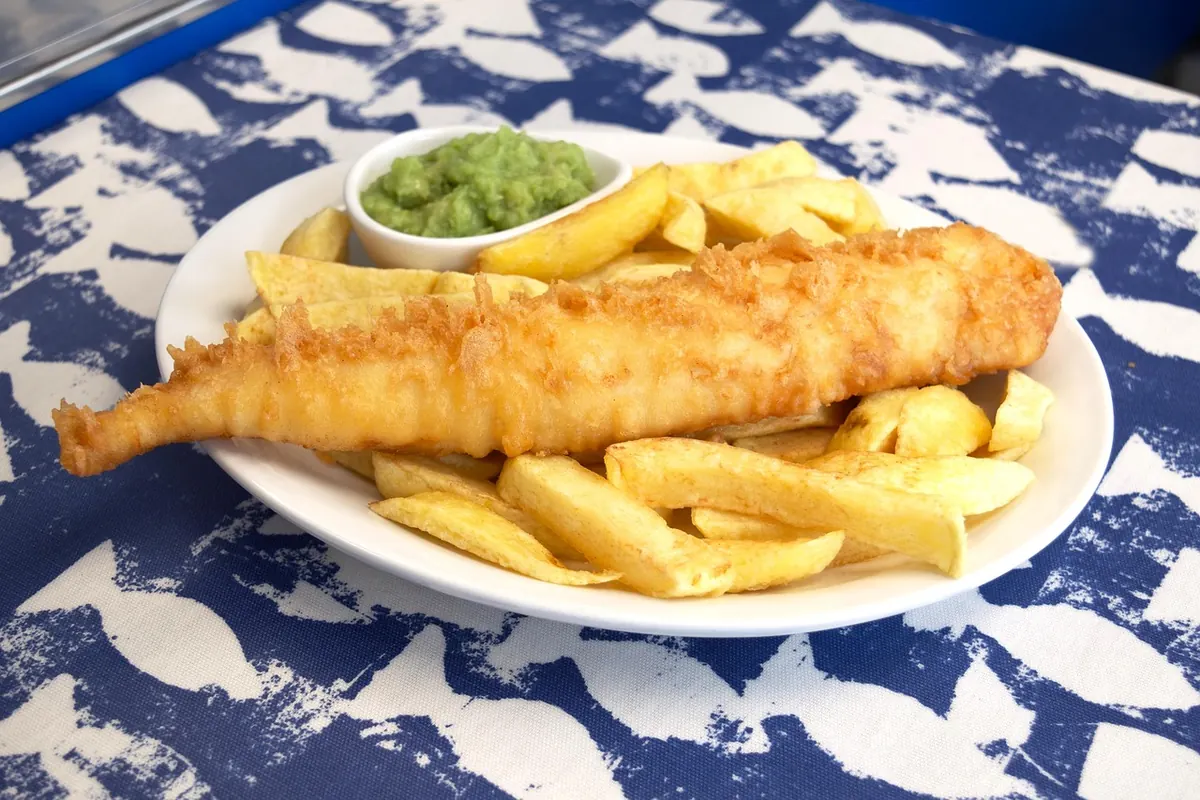
Ask how they cook it. Is the fish fried to order, or is it sitting under a heat lamp? Fish cooked to order has a crisp shell and moist flesh. Held fish can steam itself soft. If you're happy to wait, say so. “Can you cook it fresh for me?” is a fair question.
Ask about the finish. If you like it crispy, ask for it well done. If you don't want much batter, ask for a light batter. If you need gluten-free batter, ask if it's available and cooked in a separate fryer. Not every shop can do that safely.
Portion Size and the Cut of Fish
Portion names are not standard. A “regular” haddock in one shop is a “small” in another. Ask what the difference is. Is it the size of the fish, the number of chips, or both? If you're feeding two, a large fish and a regular chips may be plenty. If you're hungry, a small fish and large chips might be better value.
Ask about the cut of fish. A thick middle cut is meaty and holds its shape. A tail end is thinner and cooks faster. Some shops let you choose. Ask if the fish is skinless or skin-on. If you don't want skin, ask if they can remove it.
For chips, ask for them crispy if that's your thing. Ask for “scraps” if you like the crunchy pieces at the bottom of the fryer. Ask for salt and vinegar before wrapping, or on the side if you're travelling. Soggy chips are usually a wrapping problem, not a potato problem.
Extras That Make the Meal
Extras turn a decent bag of fish and chips into a proper feast. Ask what's made in-house. Mushy peas, curry sauce, tartar sauce, and gravy are often better when homemade. Ask if the tartar sauce is chunky or smooth. If you like heat, ask if the curry sauce is mild or spicy.
Then run through the sides:
- Mushy peas, garden peas, or a mushy pea fritter
- Curry sauce, gravy, or ketchup
- Tartar sauce, lemon wedge, or vinegar
- Pickled onions, gherkins, or pickled eggs
- Bread and butter, a bap, or a buttered roll
- Scraps, if you like the crunchy bits
Ask if there's an extra charge for sauces or bread. If you're taking the food home, ask for sauces in separate pots. Nobody wants a curry sauce leak in the bag.
Timing, Wrapping, and the Journey Home
Fish and chips are best eaten within minutes. If you have a long journey, tell the staff. They can wrap your order to survive the trip. Ask for the fish and chips to be wrapped separately. This stops steam from the chips softening the batter. Ask for a paper bag rather than a plastic one, or leave the bag open in the car. Trapped steam is the enemy of crispiness.
Ask when the next batch of chips is coming out. Fresh chips are worth a short wait. If the fish is cooked to order, ask how long it will take. If you're in a hurry, ask what's ready now. There's no shame in choosing the fish that's just come out of the fryer.
If you're ordering for a group, ask if they can stagger the cooking. That way, not everything is ready at once and the last person isn't eating cold chips.
A Simple Ordering Checklist
Before you reach the counter, run through these questions:
- What oil do you fry in, and how often is it changed?
- Is the batter made fresh? Can I have it light, crispy, or gluten-free?
- Is the fish cooked to order? What size is a regular versus a large?
- Can I choose the cut of fish, or have it skinless?
- Are the chips cooked in the same oil as the fish?
- What extras do you have, and is there a charge?
- Can you wrap the fish and chips separately for the journey?
Ask politely and you'll learn a lot. You'll also signal that you care about your food. Good chippies notice. They may not say it, but they'll often give you the better piece of fish or a few extra scraps.
For serious allergies, always speak to staff directly and seek professional advice. Cross-contamination is a real risk in any busy kitchen.
Make It Your Regular Order
You don't need to interrogate the staff every time. Once you find a chippy that answers well, you can relax. You'll know the oil, the batter, and the portion sizes. You'll know whether to ask for scraps or a light batter. That knowledge turns a random takeaway into a reliable treat.
The best fish and chips come from a shop that knows its regulars. Ask your questions, listen to the answers, and be patient when they're busy. And if you find a chippy that gets it right, tell them. They'll remember you next time.
Photo: Pexels / Pixabay